
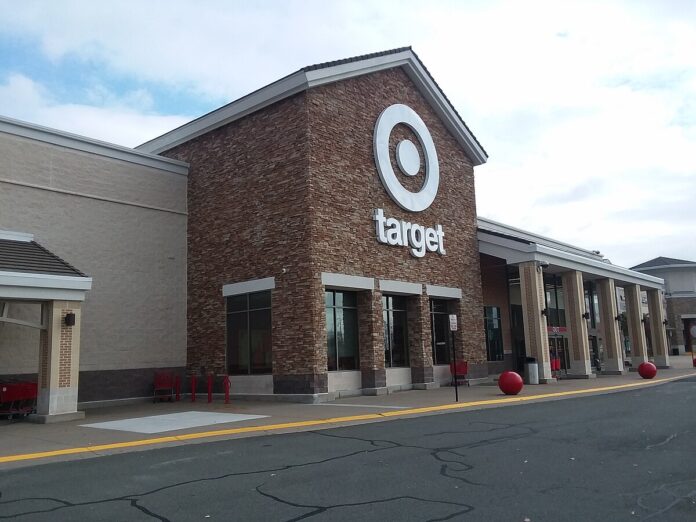
Target’s stock has cratered roughly 30% this year, and an activist hedge fund is now circling the wounded retailer like a vulture—proof that when consumers organize and vote with their wallets, corporations actually feel the pain.
WHAT’S GOING ON: According to the Financial Times, hedge fund Toms Capital Investment Management has built a “significant investment” in Target as the company staggers through its 12th consecutive quarter of negative or negligible sales growth.
Target’s share price has collapsed more than 60% from its pandemic-era high, and the company is now facing pressure from investors demanding changes.
THE DETAILS: The timing here is everything. Target’s freefall accelerated after the company made its cowardly decision earlier this year to gut its diversity, equity, and inclusion programs—abandoning commitments to Black-owned businesses and LGBTQ+ initiatives in a transparent attempt to appease right-wing pressure campaigns.
The result? They pleased nobody.
Progressive consumers launched boycotts, while the right-wing crowd moved on to their next manufactured outrage. Target got caught trying to have it both ways and ended up with neither.
The numbers are brutal: Target’s market value has shrunk to $44.3 billion. Longtime CEO Brian Cornell is bailing out in February after a decade at the helm, leaving his replacement to clean up the mess. The company just cut 1,800 jobs at headquarters.
Meanwhile, Walmart—which didn’t fold quite as spectacularly on DEI—is hitting record highs with a market cap approaching $900 billion.
WHY IT MATTERS: Corporate executives love to dismiss boycotts as performative social media noise that never actually impacts the bottom line.
Target’s stock chart says otherwise.
When a company signals that its values are negotiable—that it will abandon marginalized communities the moment some right-wing grifter starts a hashtag—consumers notice. And some of them stop shopping there.
BOTTOM LINE: Target tried to appease fascists and lost everyone. Their 30% stock collapse this year is a reminder that solidarity isn’t just morally right—it’s economically powerful. Boycotts work.
Remember that the next time some corporation decides its commitment to equality was just a marketing gimmick.