
Your electric bill is going up, and those massive data centers powering ChatGPT and other AI tools are a big reason why—but who actually pays for all that power is becoming one of the most contentious political fights heading into the 2026 midterms.
Politicians from President Trump to state legislators have found rare bipartisan agreement on one thing: tech companies, not regular people, should foot the bill for their energy-guzzling facilities. But “fair share” turns out to be a conveniently vague phrase.
“‘Fair share’ is a pretty squishy term, and so it’s something that the industry likes to say because ‘fair’ can mean different things to different people,” said Ari Peskoe, who directs the Electricity Law Initiative at Harvard University.
The politics have shifted fast. Just last year, states were tripping over themselves to woo data center projects, and Trump directed his administration to get them all the electricity they needed. Now there’s a backlash as communities fight new facilities and utility bills climb.
In Georgia, voters already ousted two Republicans from the state’s utility regulatory commission in November over the issue.
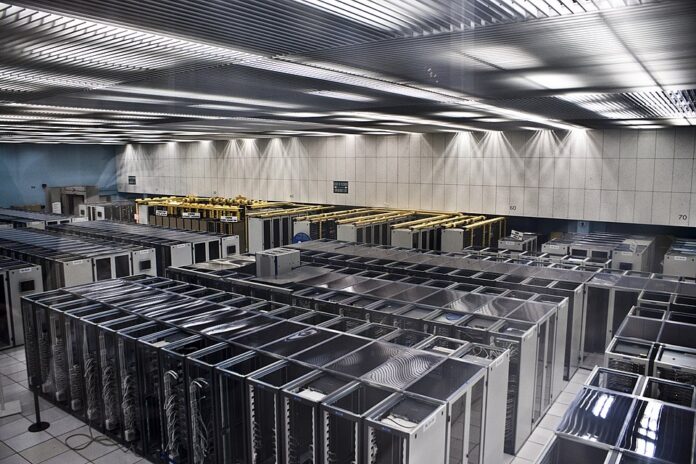
Data centers—some larger than stadiums—need more power than small cities. When utilities build new power plants or transmission lines to serve them, those costs often get spread across everyone’s bills. In the mid-Atlantic grid territory stretching from New Jersey to Illinois, consumer advocates have pegged billions of dollars in rate increases hitting regular Americans on data center demand.
Energy Secretary Chris Wright insists data centers don’t inflate electricity bills—a claim that contradicts what consumer advocates and independent analysts say. “Americans are not paying higher prices because of data centers,” Wright said at a news conference this month. “There’s a perception there, and I get the perception, but it’s not actually true.”
Some states are trying to act. Oregon passed a law to protect smaller ratepayers. Arizona Gov. Katie Hobbs wants to impose fees on data centers and eliminate their sales tax exemption, calling it a $38 million “corporate handout.”
But even these efforts may be too little, too late. The fundamental problem: Big Tech can simply outbid everyone else for limited electricity in the short term.
“What do you do when Big Tech, because of the very profitable nature of these data centers, can simply outbid grandma for power in the short run?” asked Abe Silverman, a former utility regulatory lawyer at Johns Hopkins University. “That is, I think, going to be the real challenge.”
Energy costs are projected to keep rising in 2026. Rep. Greg Landsman, D-Ohio, told the Federal Energy Regulatory Commission last week that data center operators in his district are getting tax breaks, sidestepping community opposition, and costing people money. “Ultimately, I think we have to get to a place where they pay everything,” he said.